
Hi! I’m finally back to writing to share with you one of my numerous adventures this summer. It’s crazy how summer flew by; I can’t believe we are already at the end of August. Nevertheless, with this post, I want to continue summer by sharing one of the hidden gems of the province of Quebec: the North Coast.
The North Coast of Quebec is not a very well-known tourist place. When I told people I went there for vacations, many asked: Why this place? Keep reading, and you will discover why the North Coast is a beautiful place to travel to and why you should definitely add it to your travel bucket list. Let’s start!
What to expect?
When deciding to travel to the North Coast of Quebec, you must expect to do a lot of road. Indeed, if you go to the end of the road at the last fishing village called Kegaska, you must expect to drive for around 14 hours (starting from Quebec City).
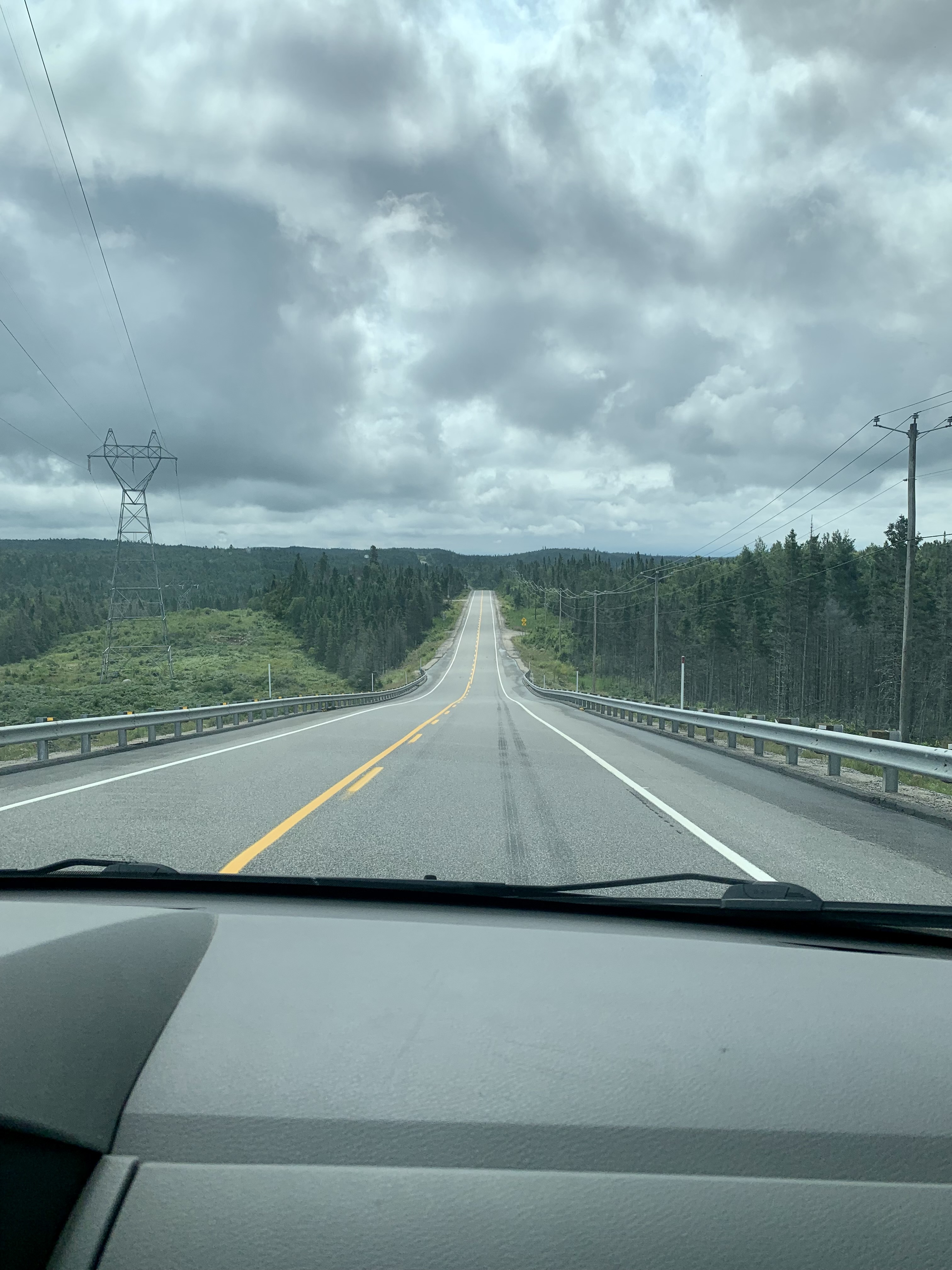
There are also some places where there won’t be gas stations that often, so you must plan the driving accordingly. For example, after Maliotenam, there is a sign indicating no gas stations for another 164 km. However, nothing can go wrong if you plan the places you want to stop and visit (like with this detailed itinerary !).
It is also essential to know that the North Coast of Quebec is the territory of seven of the nine Innu communities. That being said, you will be driving in some First Nation reserves like Uashat (Sept-Îles), Maliotenam (Sept-Îles), Ekuanitshit (Mingan), and Nutashkuan. Therefore, it is important to be respectful and aware that not everything is open to tourists. It can also be pertinent to read a bit in advance about the culture and history of those First Nations and be informed about the different places open to tourists (which I will talk about below).
How to get there
The North Coast is divided into 6 regional municipalities, which are called MRC. In this travel itinerary, we will discover La Manicouagan, Sept-Rivières, and Le Golfe-du-Saint-Laurent. The main cities and villages I suggest you to make a stop are :
- Godbout
- Baie-Trinité
- Pointe-aux-Anglais
- Port-Cartier
- Sept-Îles
- Rivière-au-Tonnerre
- Havre Saint-Pierre
- Baie-Johan-Beetz
- Longue-Pointe-de-Mingan
- Natasquan
- Kegaska
There are two ways to get to Godbout, which is the first village of this road trip. The two options require you to take a ferry.
South-Shore
So this is the option that we took and that I recommend. The boat is called F.-A-Gauthier and is a spacious and luxurious ferry that assures the route between Matane (south-shore) and Baie-Comeau (north-shore) or Matane (south-shore) and Godbout (north-shore). If you plan to go up east (like this itinerary), I recommend choosing the route Matane-Godbout.
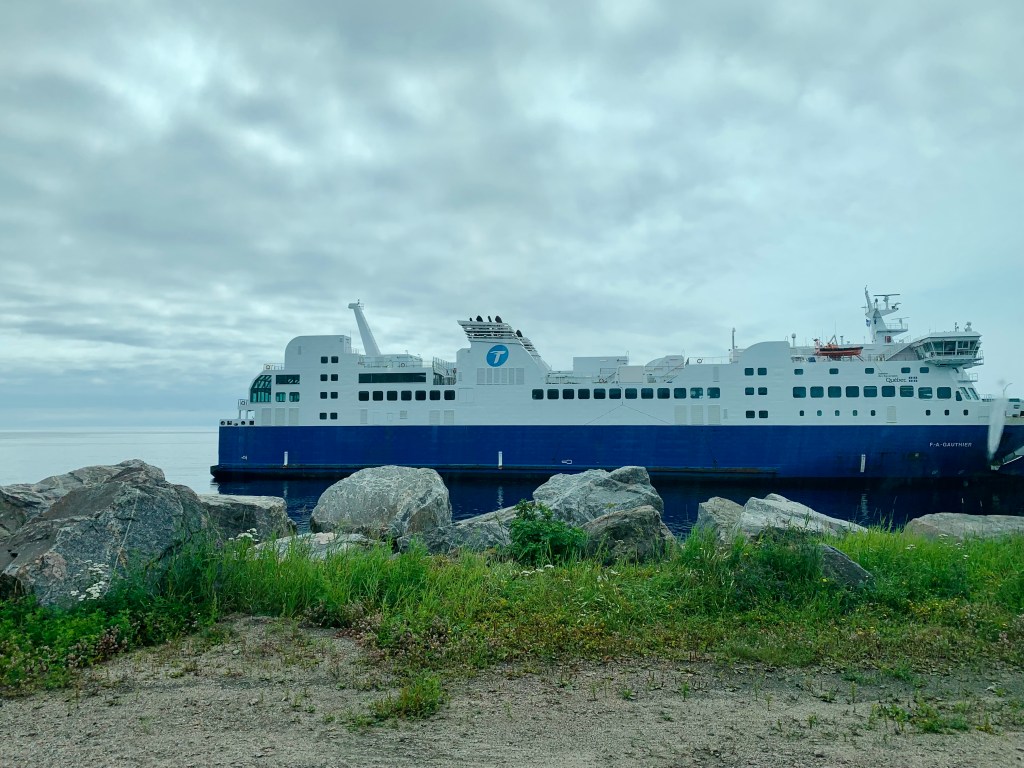
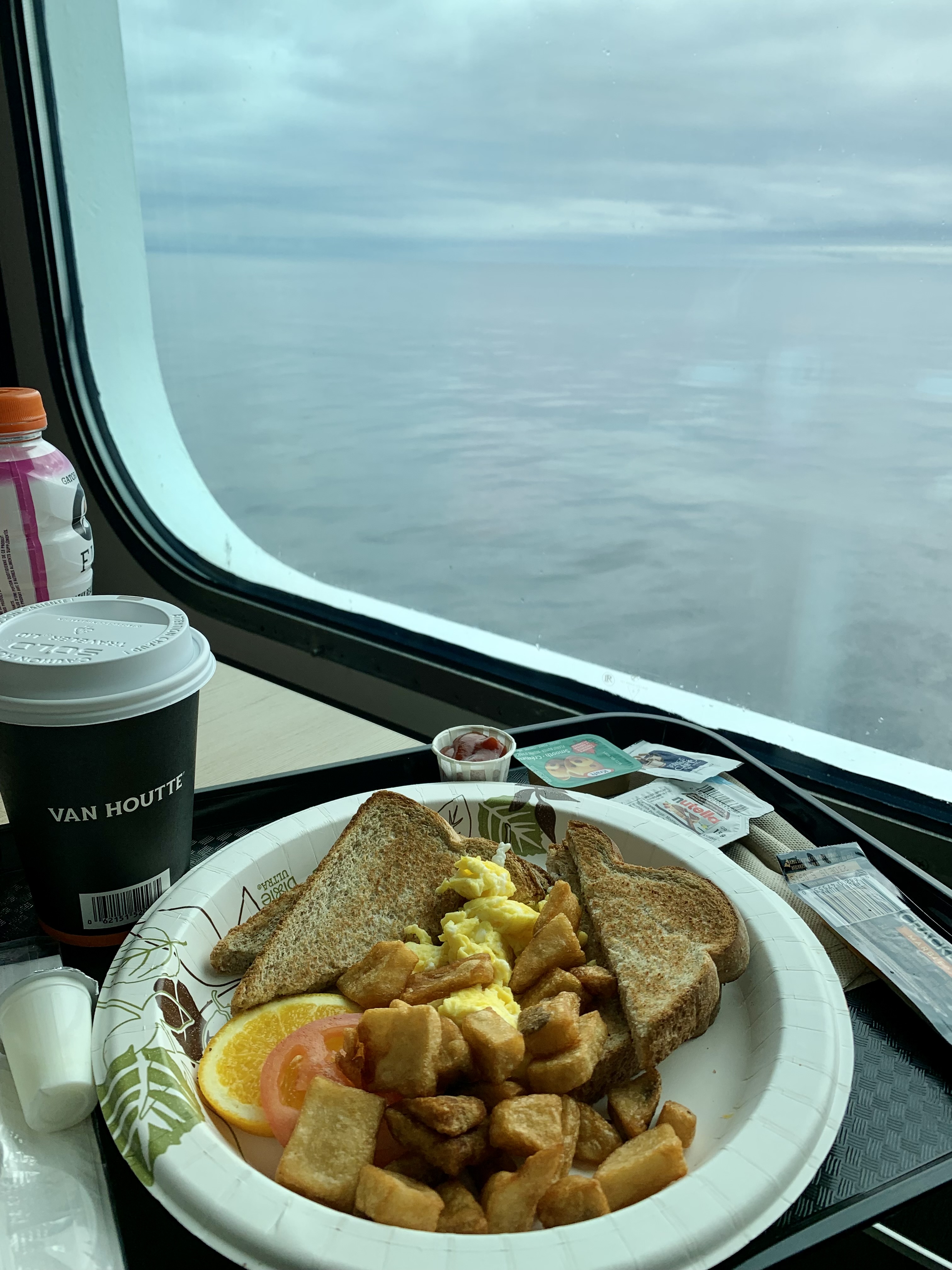
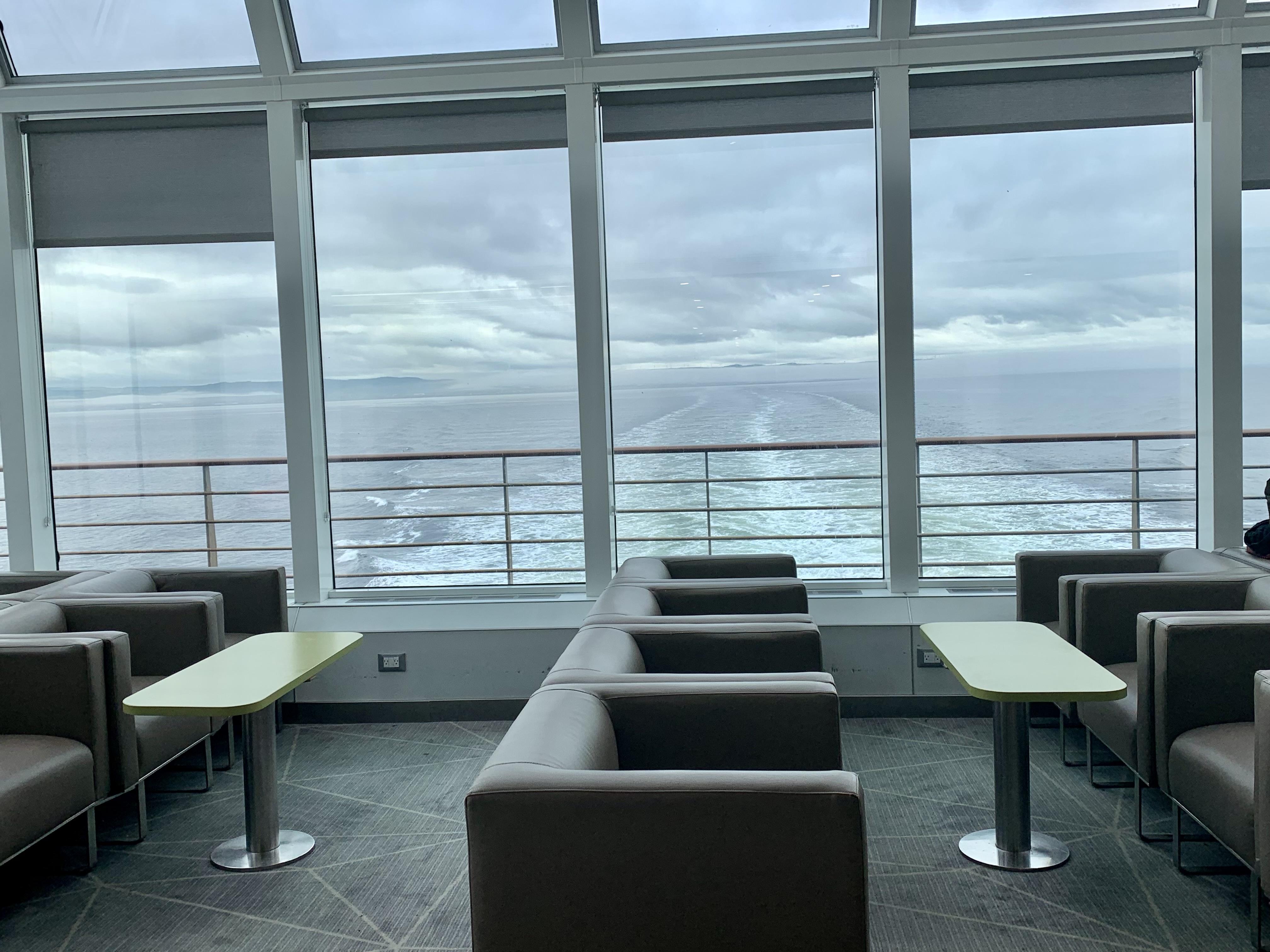
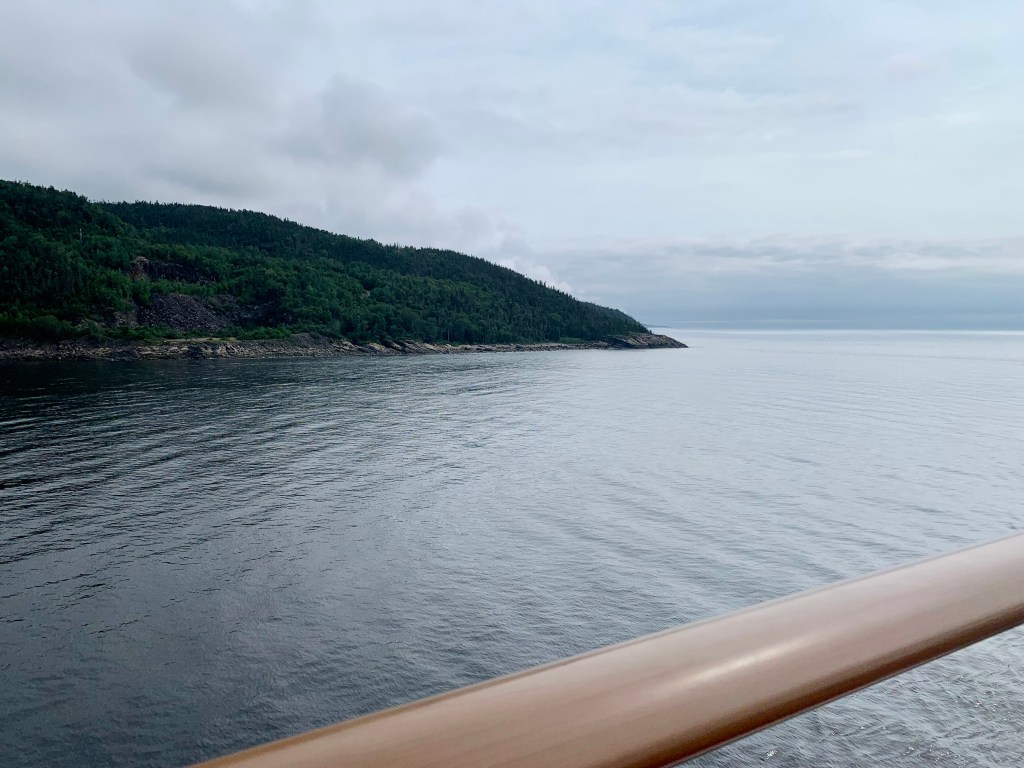
The crossing takes 2 hours and 10 minutes, and the boat has plenty of space for your car. There is a cafeteria on the ship, a boutique, a playing area for children, a big spacious deck, and many sitting areas. You might see some seals or whales during the ride if you are lucky!

Schedule
The schedule varies depending on the day of the week and the season, but during the high season (May 15 to September 4), the boat departure is at 8 AM except for Wednesdays, where it is at 2:15 PM.
For the return, the departures from Godbout are at 11 AM, except for Wednesdays, where it is at 5:30 PM. For the complete schedule, click here.
Fares
It costs around 100 $ CAD for the crossing for two adults and a car and a little less than 200 $ CAD for a round-trip. The fares vary depending on how you travel (type of vehicle) and the passengers, so I suggest you look at the fares tables on the official website.
North-Shore
The other option to get to Godbout is by road, including a ferry from Baie-Sainte-Catherine to Tadoussac. The crossing is only 10 minutes and is free of charge. As you can see on the map, it takes less time than the first option. For the ferry schedule, click here.
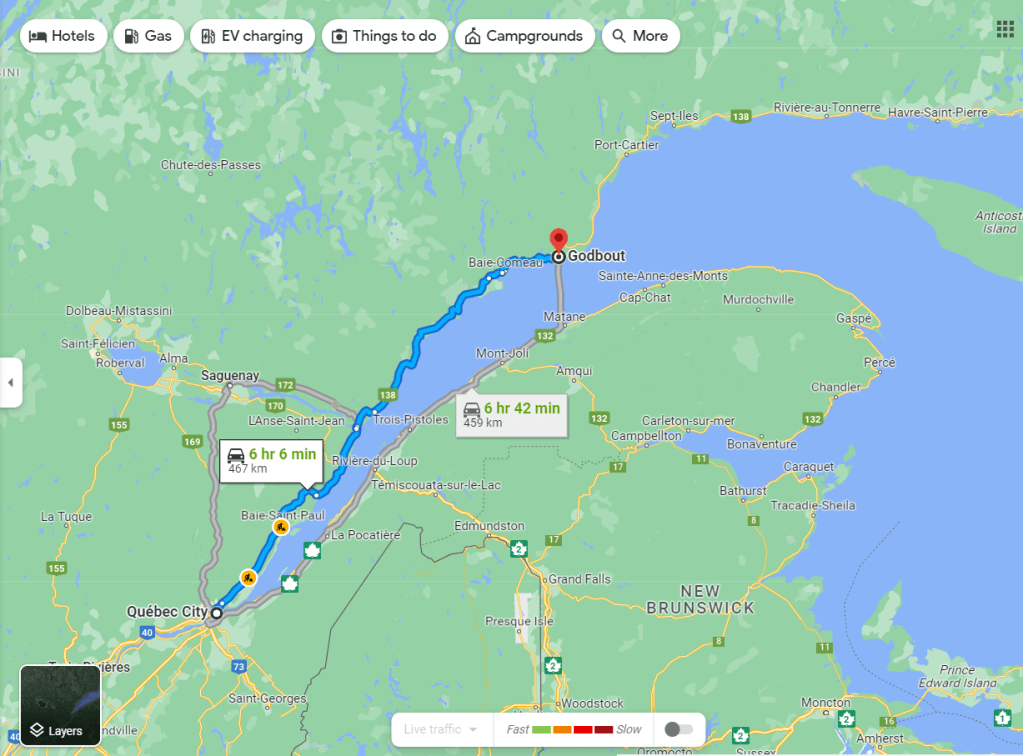
However, we decided to take the first option (south-shore) because I heard that the road on the North-shore is quite bumpy and mountainous. Plus, the first option allows you to take a break from driving and enjoy the scenic crossing.
Matane
If you choose the first option, you will probably stop at Matane. It is a small coastal town on the Gaspe Peninsula. It is well known for its shrimps and the big seafront hotel called Riotel. Here’s what to do in Matane.
- Carpinteri Vineyard: This is where you can find a piece of Tuscany in Quebec! Twenty minutes away from downtown Matane, this vineyard and Italian villa offer free tastings and is open every day from 10 AM to 6 PM. For more information, click here.
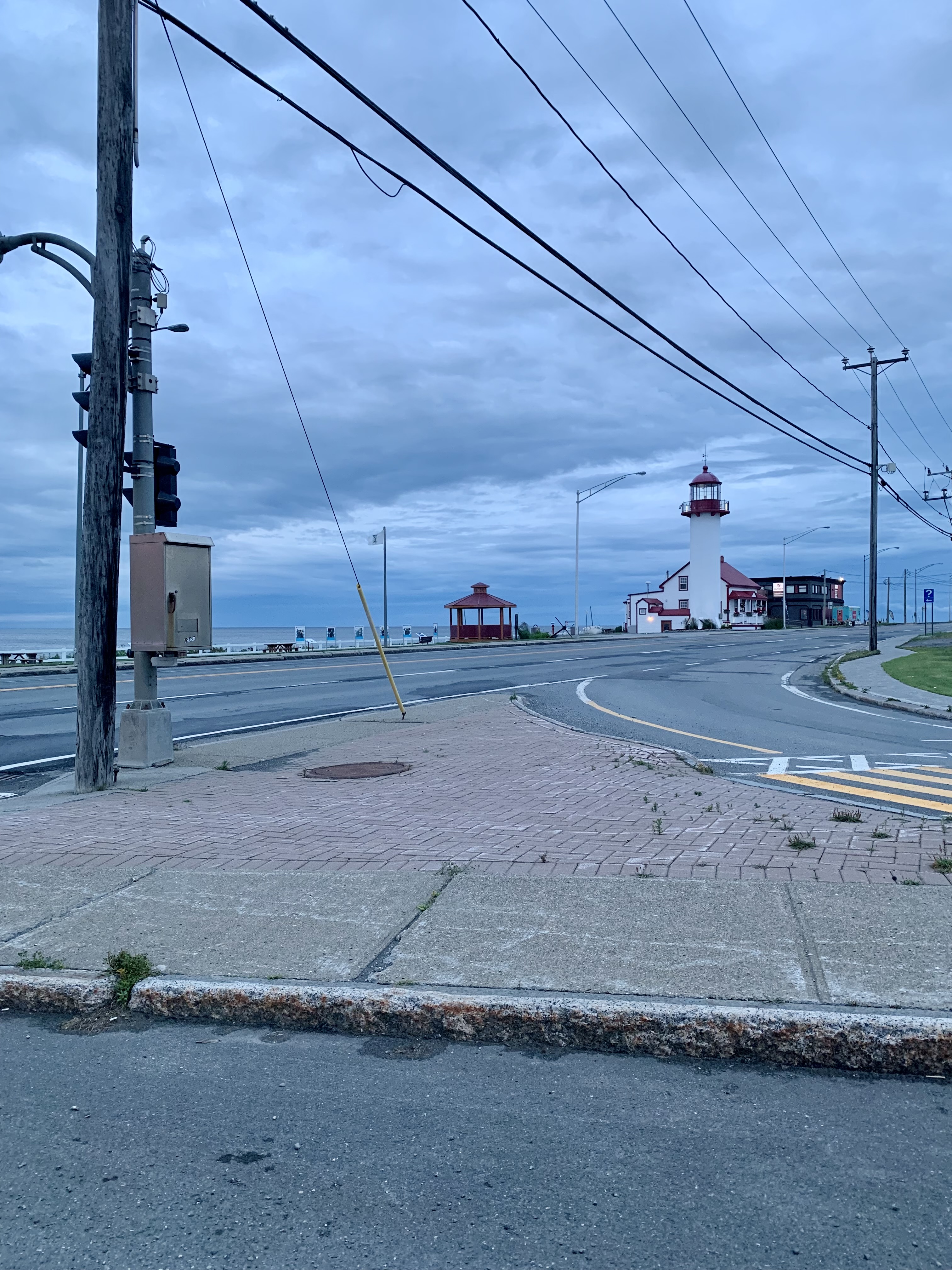
- Matane’s lighthouse and maritime museum: beautiful view of the Saint-Lawrence River; at this part of the river, you cannot see the other side since it is more than 50 km! This is also at the lighthouse you can find the Tourist Welcome Bureau. Guided tours of the 1906 lighthouse are offered and need to be reserved in advance during the high season.
- Salmon observation post: This is where you can observe the migration of salmon. Salmons go up the river, and the installations allow you to see them “run” up the river. Every day is different, so one day, you might see none, but if you are lucky, you might see a few. We saw two!
- Halte de la Marina: rocky beach with a pedestrian trail. Beautiful place to admire sunsets.
Godbout
After the scenic ferry crossing, you arrive at the other side of the Saint-Lawrence River. At this place, the river is so large it seems like the ocean: the coast is at almost 60 km. It looks like you arrive in another world: for the next kilometers, you will be in the wilderness. Mountains and lakes draw a beautiful landscape.
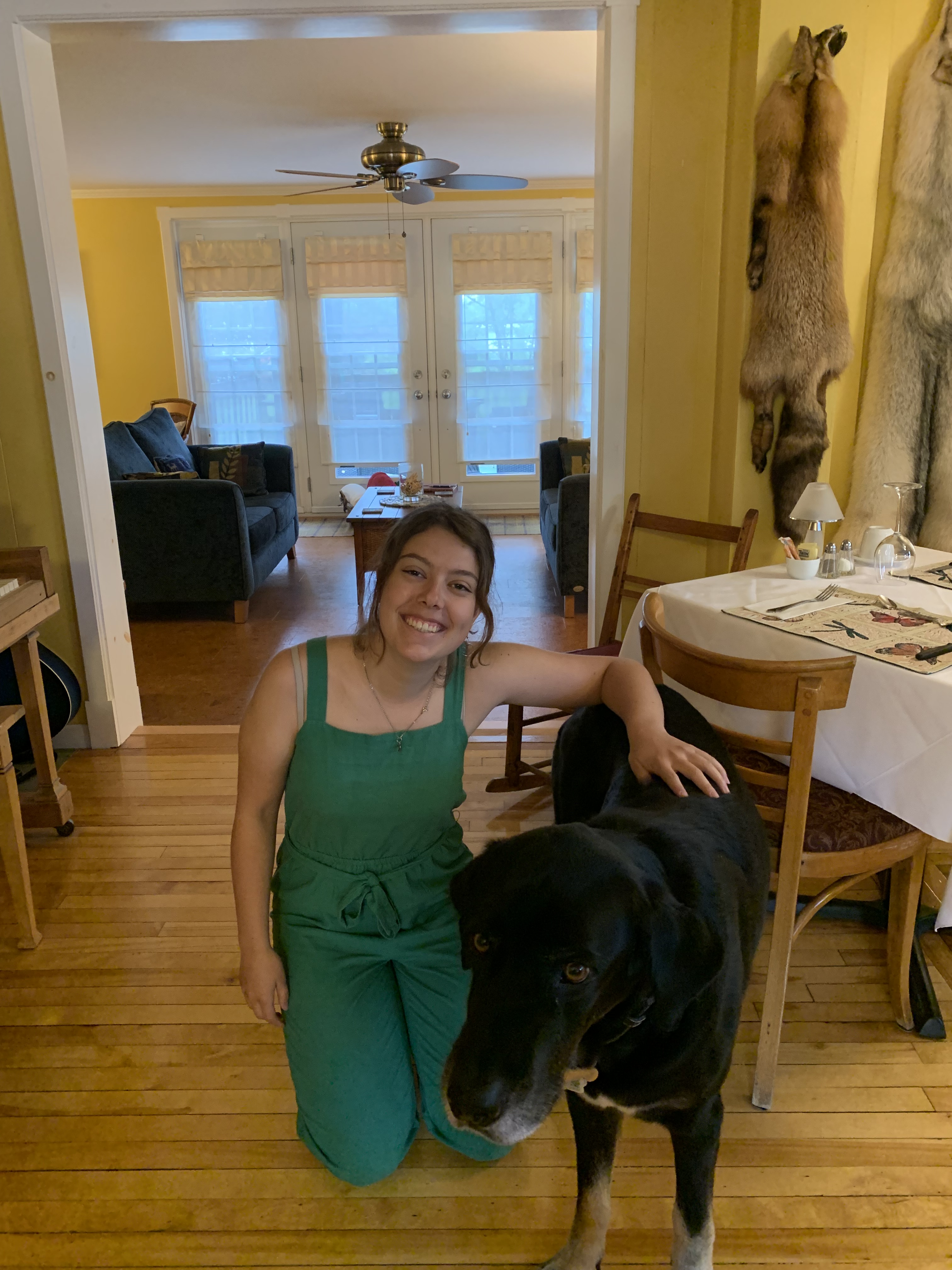
If you are staying a night before hitting the road, I suggest staying at the Gîte LaRichardière. This bed and breakfast is beautiful, and the owner, Claude, is a fantastic host. Make sure to say hi to Buddy for me!
Godbout is more a place to make a quick stop or to spend the night before taking the ferry, but there are still a few things to do:
- Plage de la Baie (beach)
- Gobout Birds of Prey Interpretation Center: Observe closely different birds of prey, such as the Great Horned Owl and Snowy Owl.
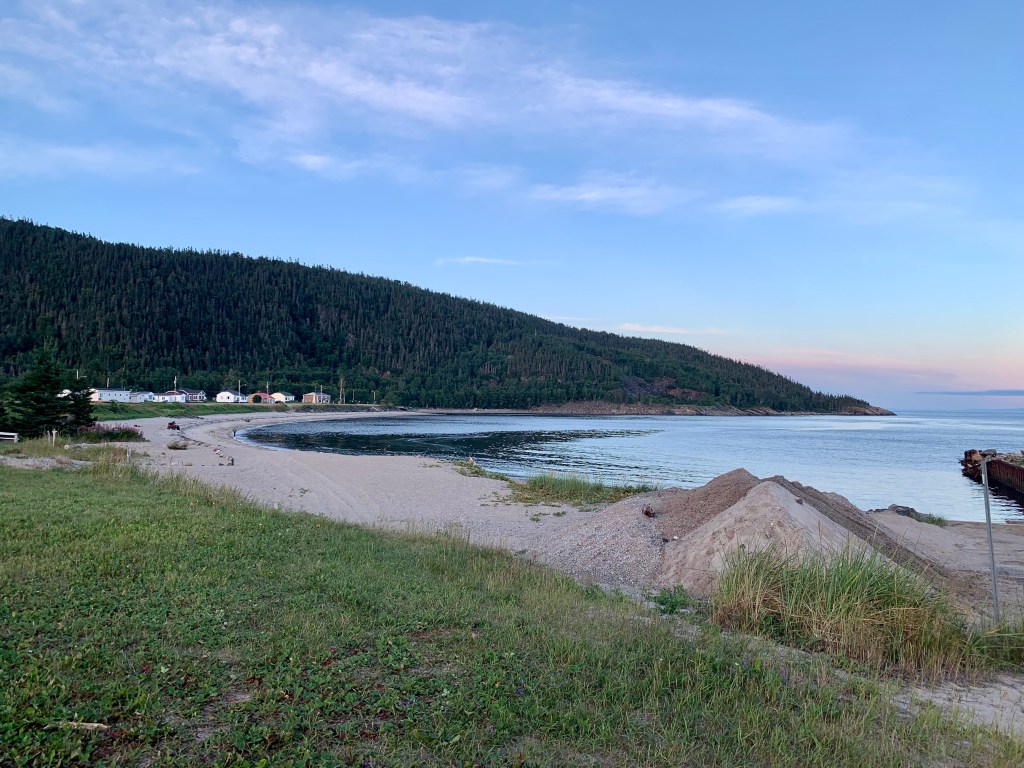
Note that there is only one restaurant in Godbout, the Sandwicherie Thépi Bec Sucré. So, plan your itinerary accordingly to have a place to eat! The restaurant closes at 7 PM.
Port-Cartier
While driving to the city of Sept-Îles, stop at Port-Cartier to see the shipwreck of the Lady Era. The Lady Era sank in 1977 due to a storm and can still be seen from Rechelois Park. Many shipwrecks happened on the North Coast; you will see and learn about a few along the road.
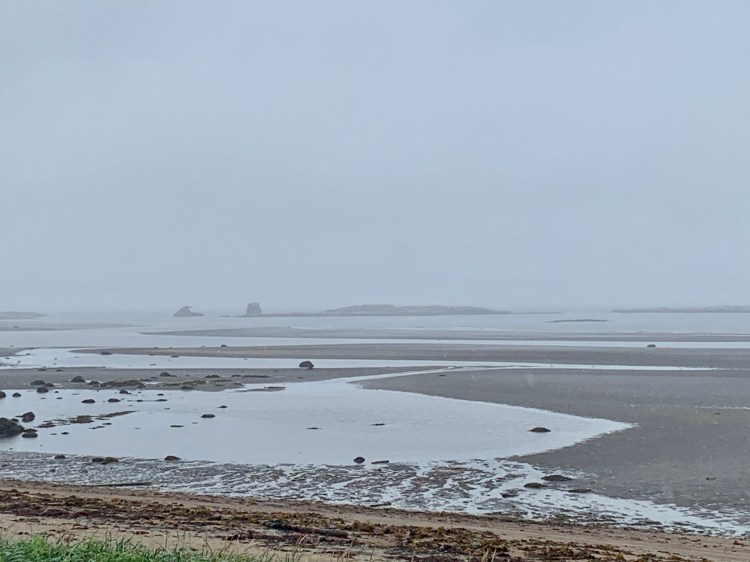
Even though the weather was quite bad, we could see the shipwreck.
Other things to do in Port-Cartier:
- Parc de la Taïga: 2 km trail with a waterfall.
- Promenade du P’tit Quai: 1 km broadwalk. Along the Aux-Rochers River.
- Chocolaterie Cartier: Chocolate, on-site processing, local products. Great place to find a gift!
Sept-Îles et Uashat
After 2 hours of driving in the mountains, by the sea, and then through small villages, you arrive in one of the largest cities of Quebec. However, its charm is not in the city but in its beaches! The Beach area is well known by the surfers, but beware! The water is cold, so you need a wetsuit for surfing. There are four beaches, with beautiful sand and views of the different islands.
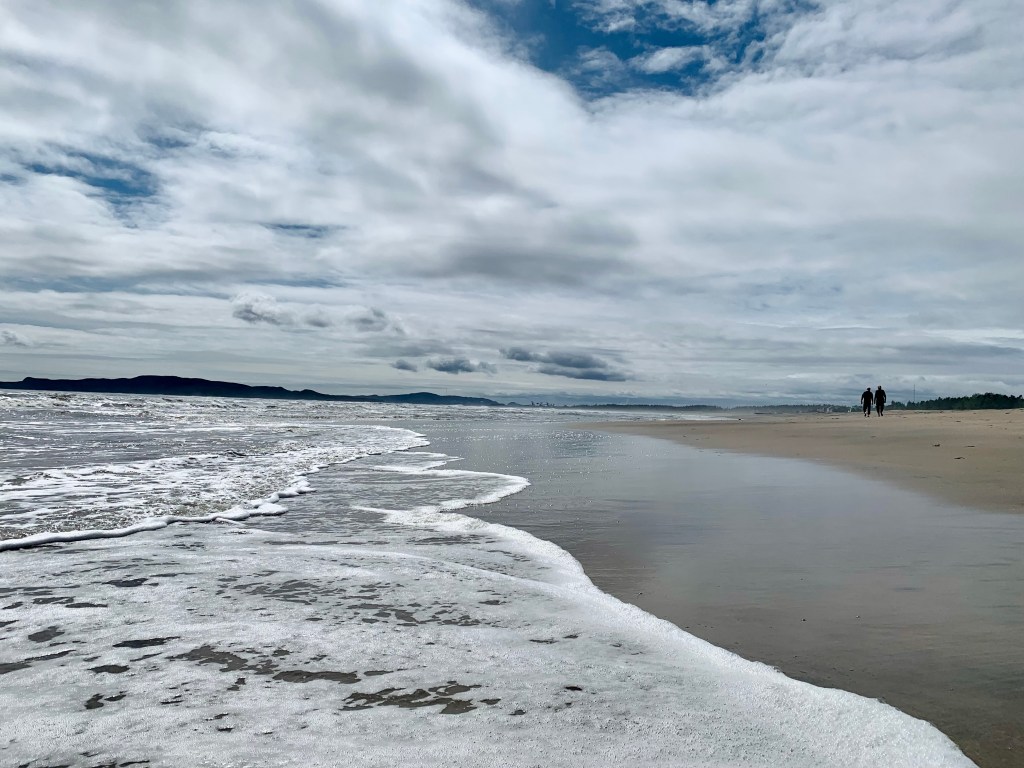
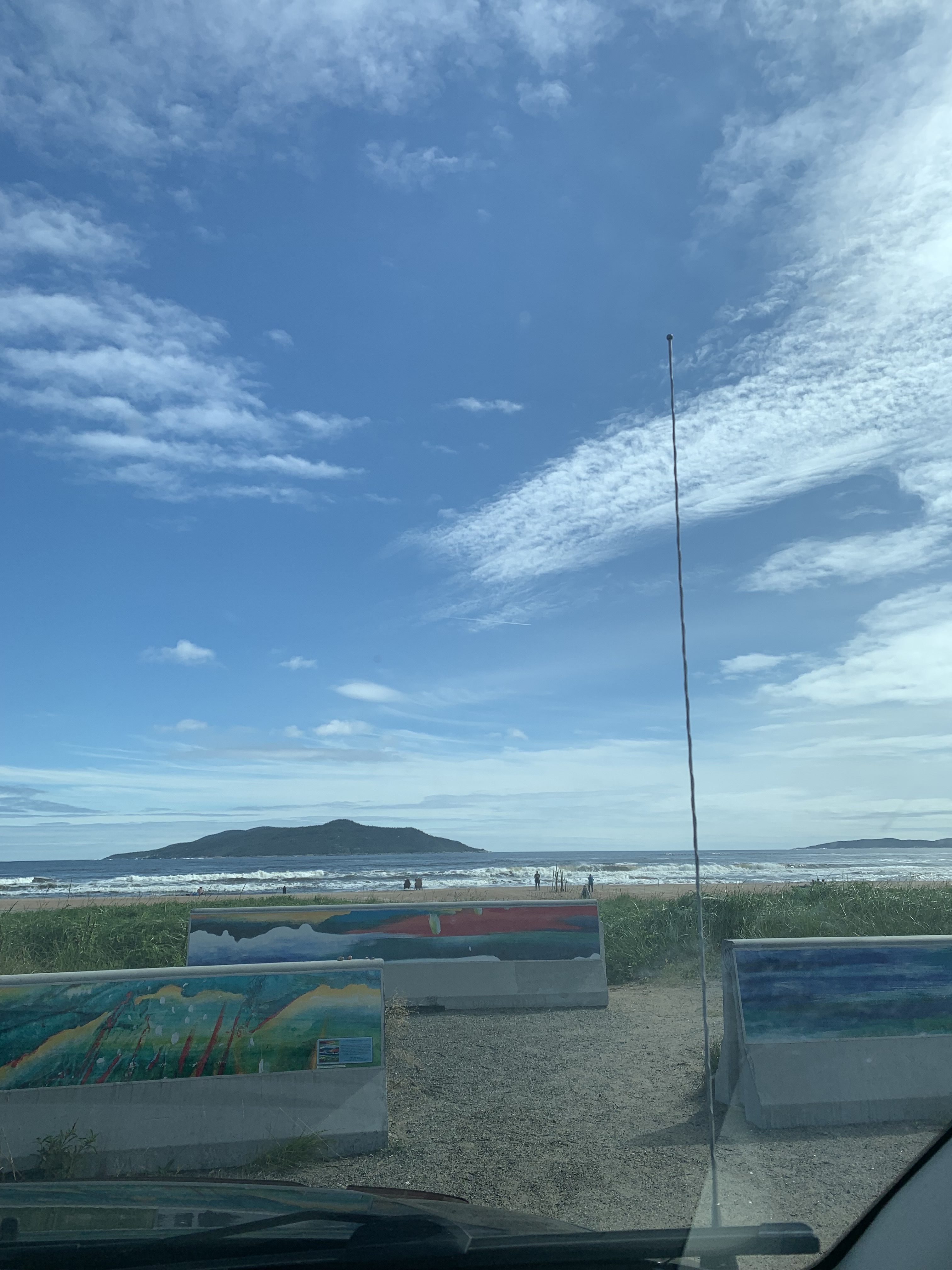
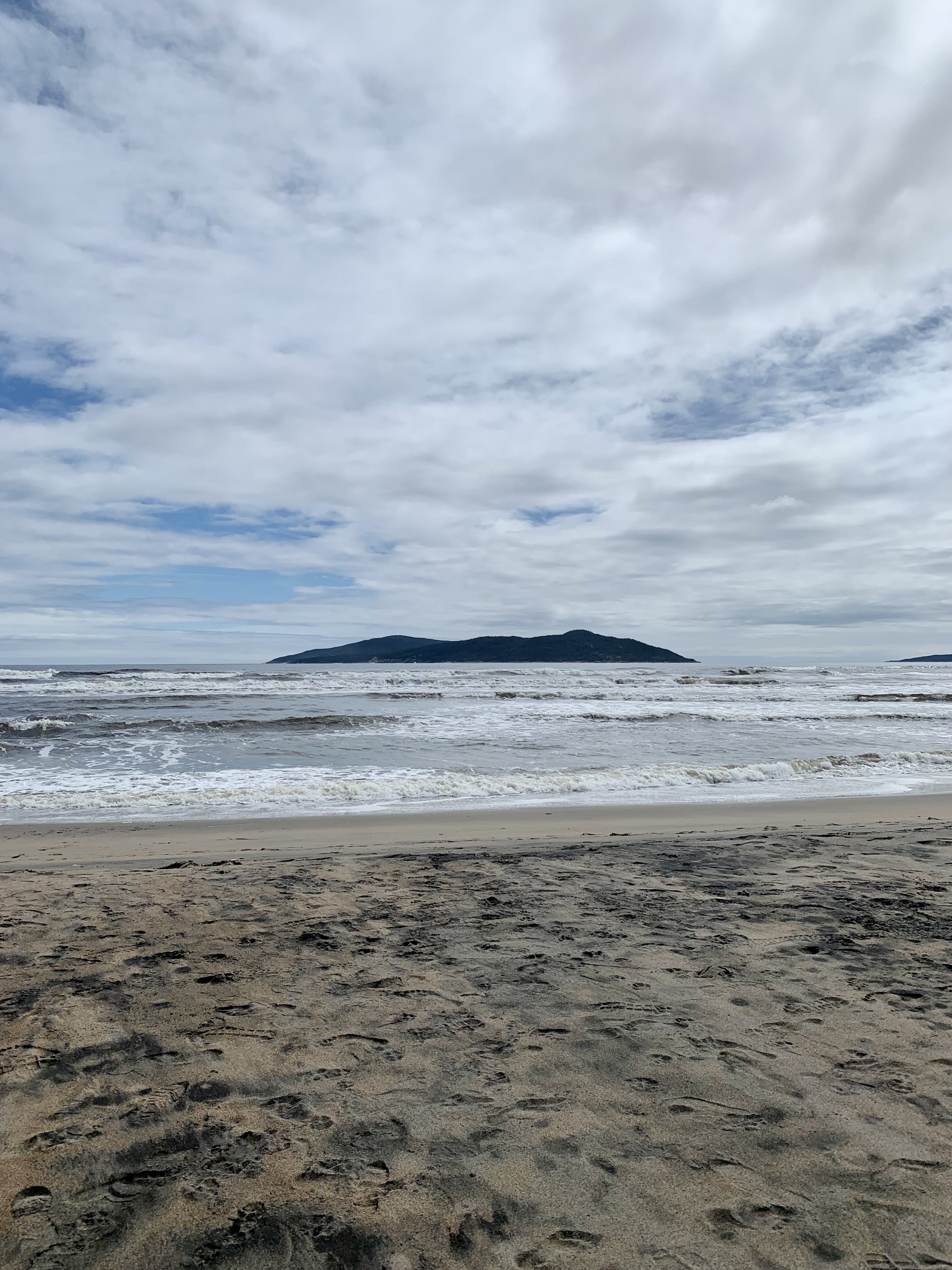
Other than the beaches, there are a few interesting things to do in Sept-Îles:
- Parc du Vieux-Quai: 2 km boardwalk with a view of the bay and different islands.
- Microbrewery La Compagnie: local brewery and restaurant close to the Parc du Vieux-Quai.
- Regional Museum of the North Coast (Musée régional de la Côte-Nord): perfect for a rainy day. Learn more about the North Shore heritage and the history of trains in Canada.
- Bike rental (1401 boul. Laure Ouest): Sept-Îles has a lot of bike paths, so it’s a great way to explore the city!
Interested in learning more about the Innu culture?
- Hôtel Boutique Atikuss: Situated in Uashat, the First Nation reserve, this beautiful boutique sells hand-crafted objects made by the First Nation people of Quebec.
- Le Vieux-Poste de Sept-Îles: Learn more about the Old Trading Post.
- Shaputuan Museum: Learn more about the traditional life of the Innu Community.
Havre-Saint-Pierre
After driving for another 2h30-3h, you are now in Minganie. Have you noticed how the forest has changed? It is the boreal forest: small trees, but you would be surprised by how old they actually are. Have you tasted the chicoutai yet? Also known as the cloudberry, this little orange berry is something the locals will be happy to tell you about and make you taste it.
Havre-Saint-Pierre offers a very special activity: a visit to the hydroelectric complex La Romaine. La Romaine is the latest project of Hydro-Québec. It has four hydropower generating stations, and tourists can visit the first one, La Romaine-1.
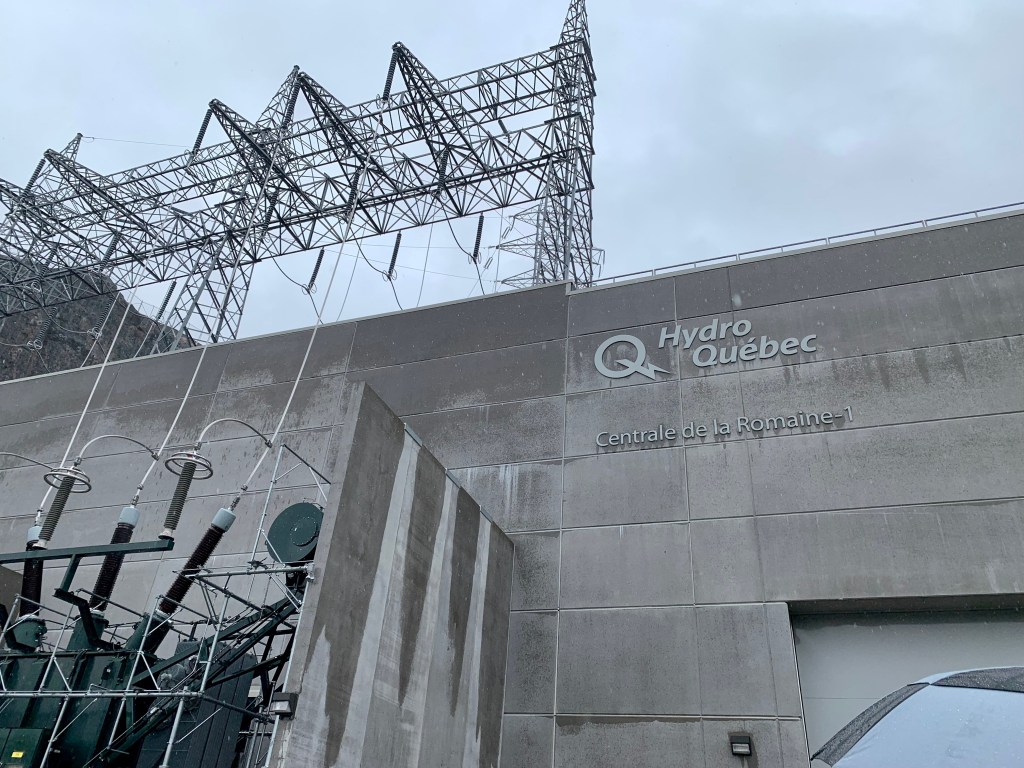
Visits are free and occur twice daily (at 9 AM and the other at 1h30 PM). You must make a reservation at least 24 hours in advance. The visits are with a guide of Hydro-Québec and are of a length of 2h30. Note that the meeting point is at the tourist information center. It is an electrical bus that will take you to the actual site. For more information about the visit to La Romaine-1, click here.
Other things to do in Havre-Saint-Pierre:
- Try the shrimp roll at the restaurant La Promenade.
- Brewery and distillery Puyjalon
- Boutique Chez Julie: local products and matcha latte with chicoutai !
- Watch the sunset on the beach*
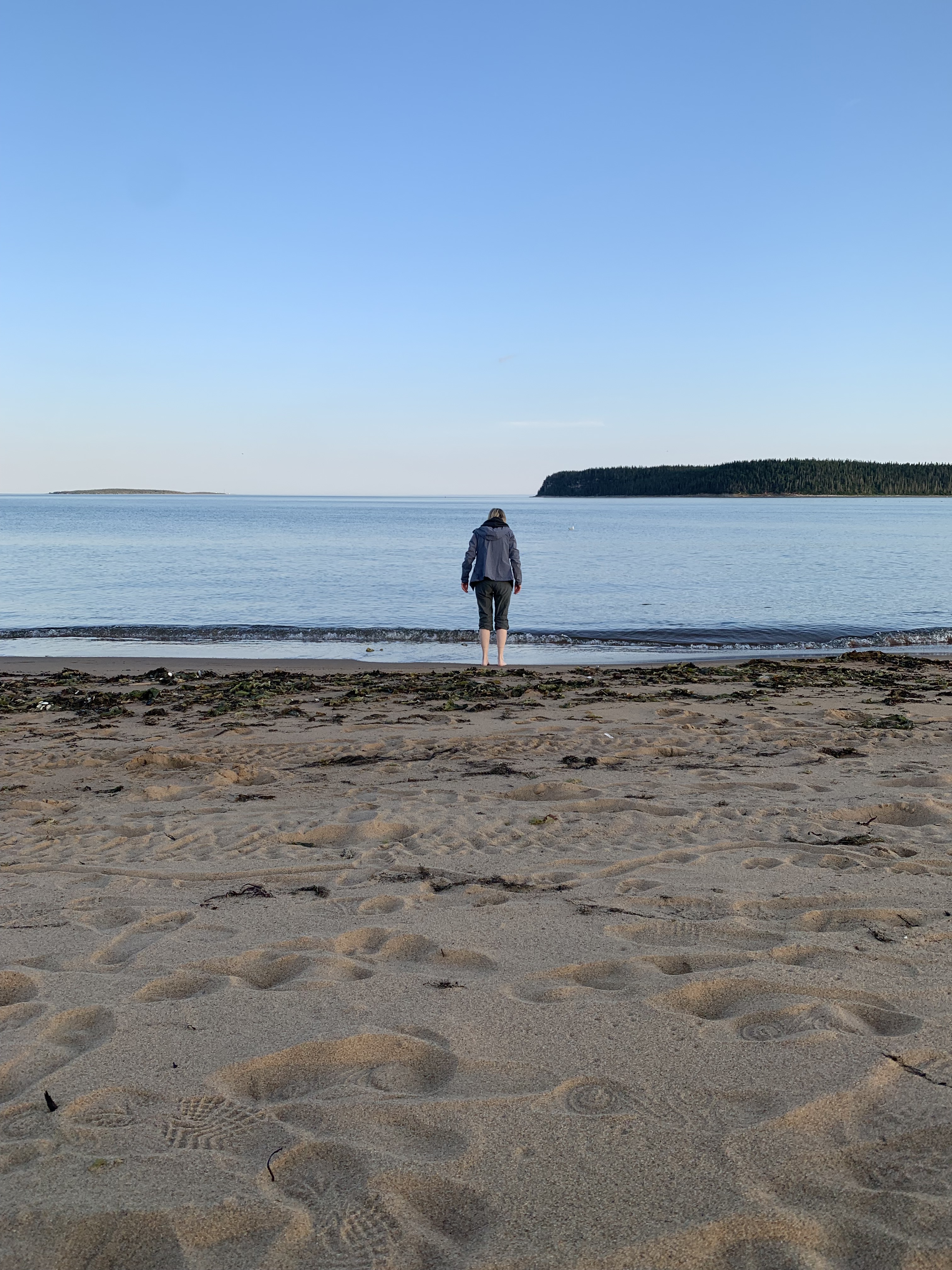
*Havre-Saint-Pierre might not be the best place to swim because the water is freezing! Around 8 degrees, even during summer! Wait for Natasquan; it will be warmer and perfect for a swim.
We slept at the B&B Chez Francoise, and it was perfect. Francoise is a very welcoming host, and the little studios are ideal if you want a place to sleep different than a hotel and have something that feels a little bit more like home.
Longue-Pointe-de-Mingan
Longue-Pointe-de-Mingan is 30-40 minutes before Havre-Saint-Pierre. This place is one of the main reasons people visit the North Coast of Québec. This is where you can find the UNESCO-protected site: The Mingan Archipelago. The Mingan Archipelago is the home of monoliths that were there a million years ago. It is also the home of a rich marine line, such as whales, seals, sea urchins, and much more! Plus, at the Île aux Perroquets, you can find another symbol of the North Coast (and my new favorite animal): the puffins!
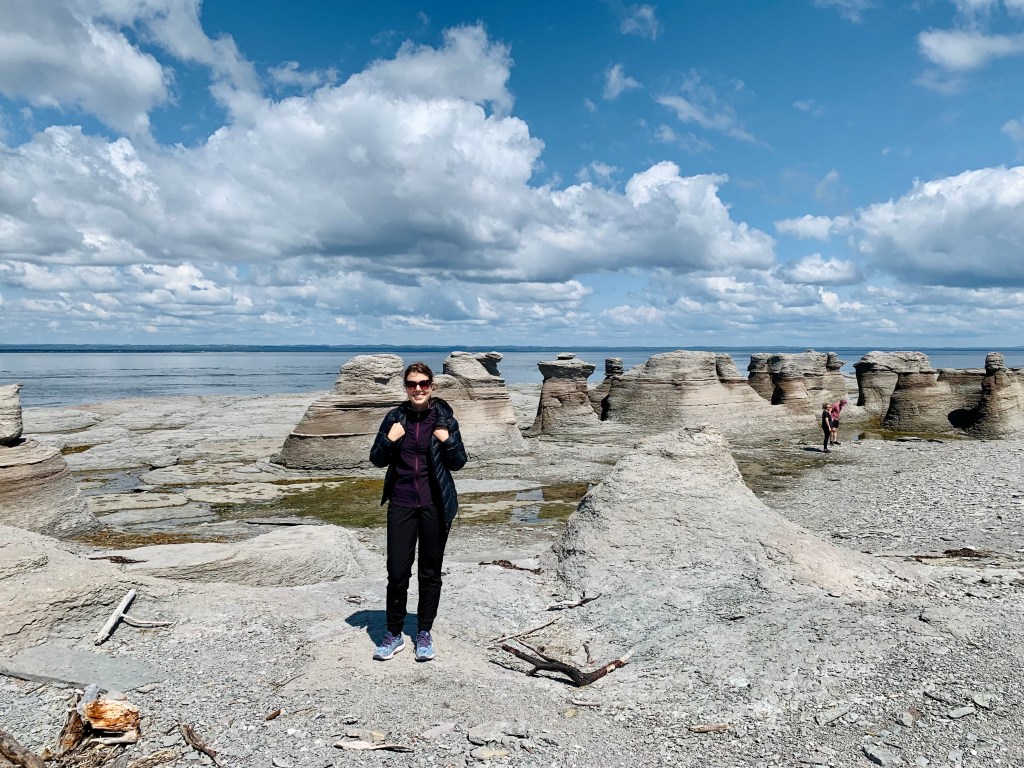
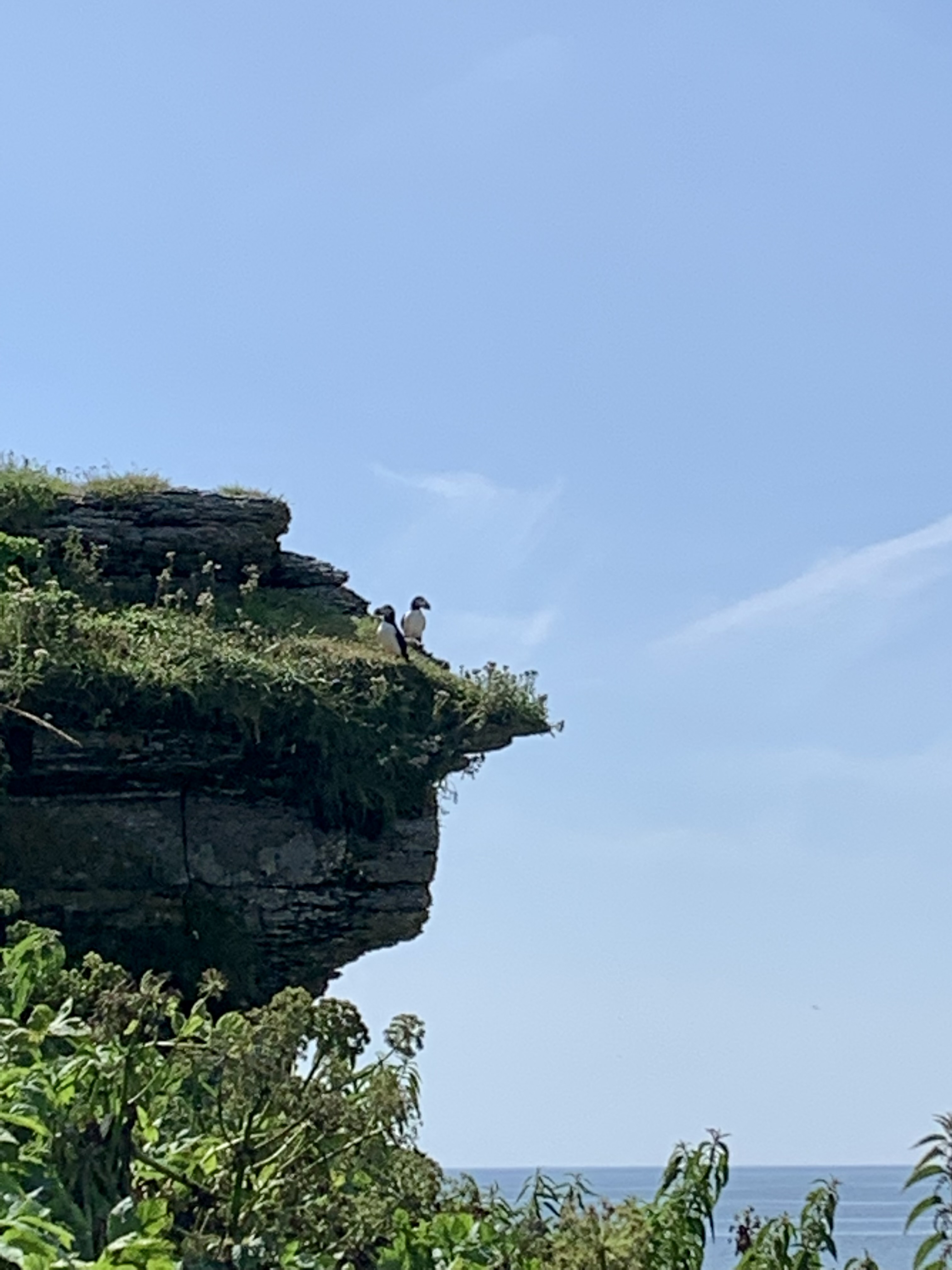
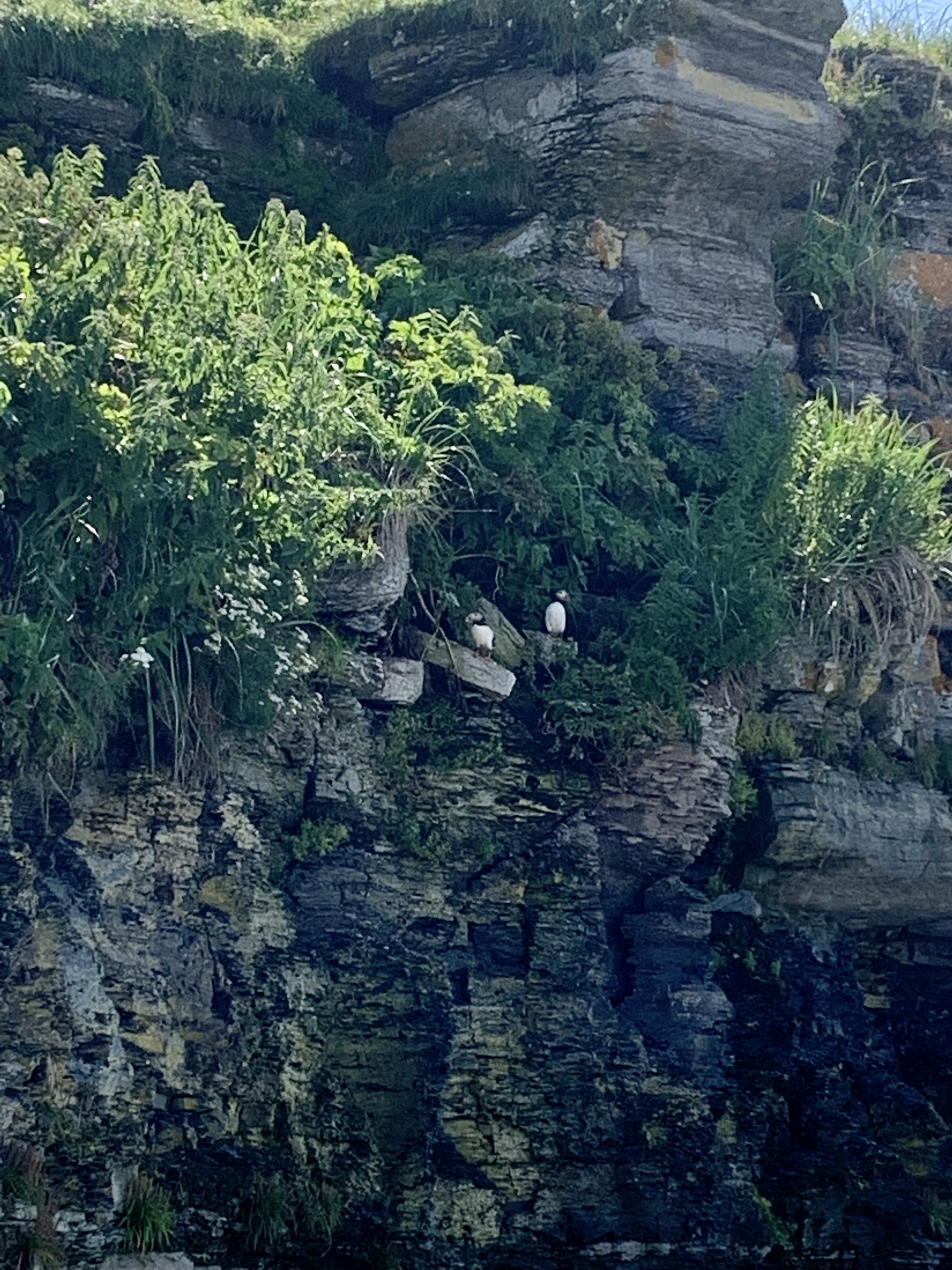
There are various company that offers tours to the Mingan Archipelago. Note that some companies also offer tours from Havre-Saint-Pierre to see different monoliths than the ones from Longue-Pointe-de-Mingan. We booked a tour with the Famille Loiselle and had a beautiful experience. The excursion included visiting the Île Nue to see the monoliths and learn more about them with a guide from Parc Canada. Then, we went to see the Île de la Maison et Île du Wreck. Then, we stopped at the Île aux Perroquets, a seabird sanctuary where you can see the puffins!
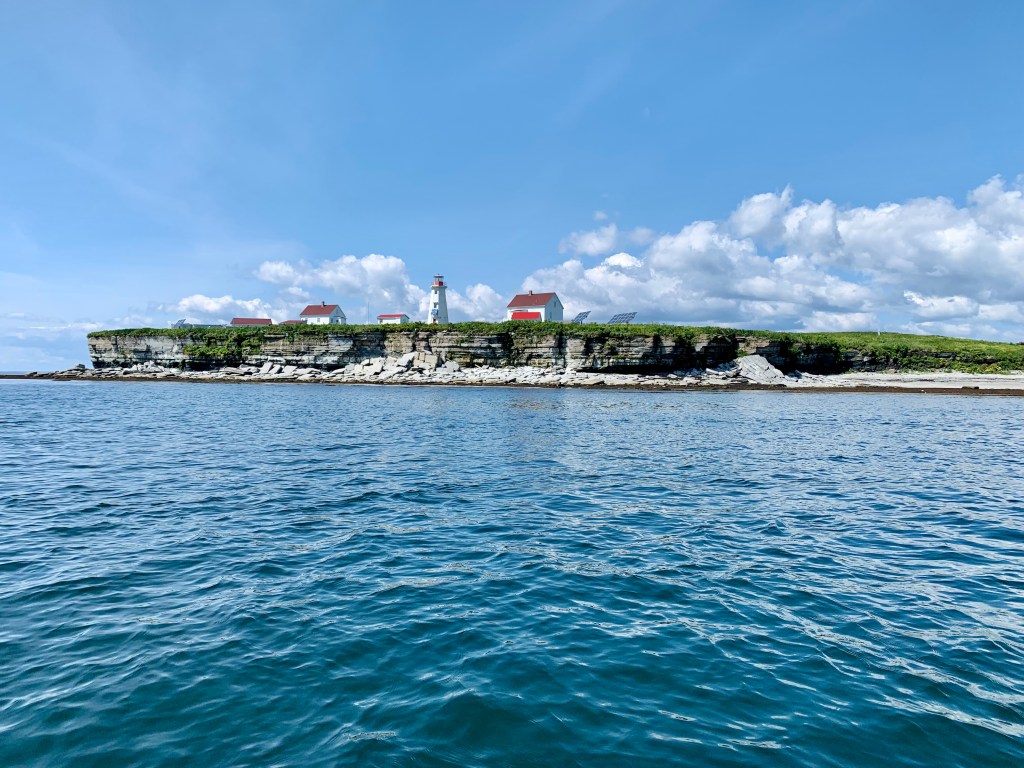
If you want to learn more about the excursion that the Famille Loiselle offers, click here.
Natashquan
Natashquan is a small village of around 275 inhabitants (tourismecôtenord). There is Natashquan, the village where the popular Quebec singer and songwriter Gilles Vigneault was born, and Nutashkuan, the First Nation reserve with around 870 inhabitants.
The main destination of this trip was Natashquan. Indeed, I traveled with my mom, and she has a friend who lives there. Therefore, I had the chance to visit this small village with the eye of two locals, Nathalie and Magella.
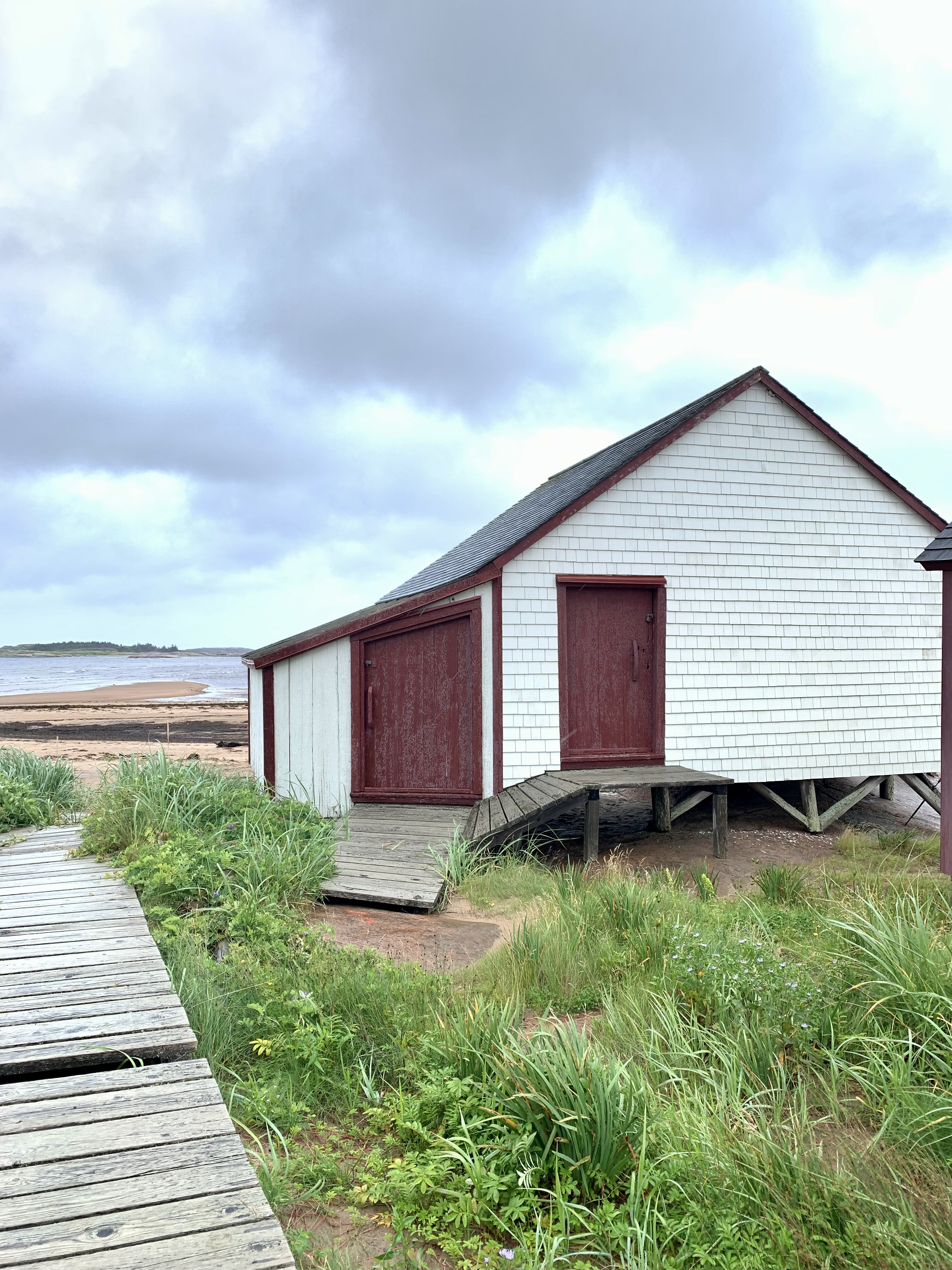
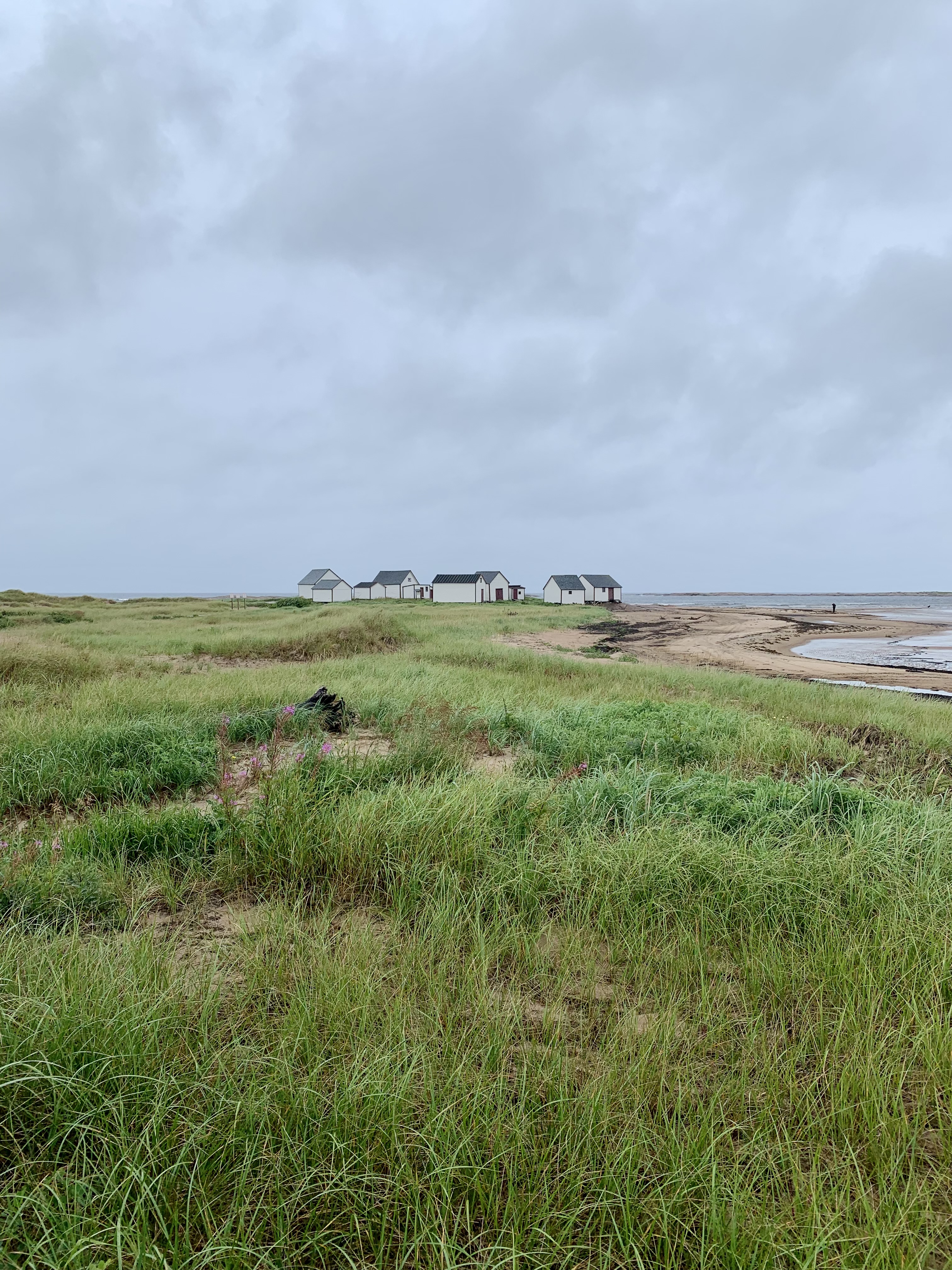
Natashquan is well known for what is called Les Galets. Those little fisherman houses are what we see the most on Natashquan postcards. It is a heritage site that tells the stories of the fishermen that used to gather around those tiny houses to dry fishery.
Other things to do in Natashquan:
- La Vieille École (the old school): This is an animated exhibit about Gilles Vigneault, life in the village, and the people who have lived and still live there. It is a very special activity since it takes place in the evening, so you wander in the village and to the old school with a little lantern to illuminate your path.
- Beach from Natashquan to Pointe-Parent: Natasquan is the perfect place to swim! The water is much warmer than in Sept-Îles and Havre-Saint-Pierre. This long beach of 7 km has beautiful sand, and the water is clean and clear.
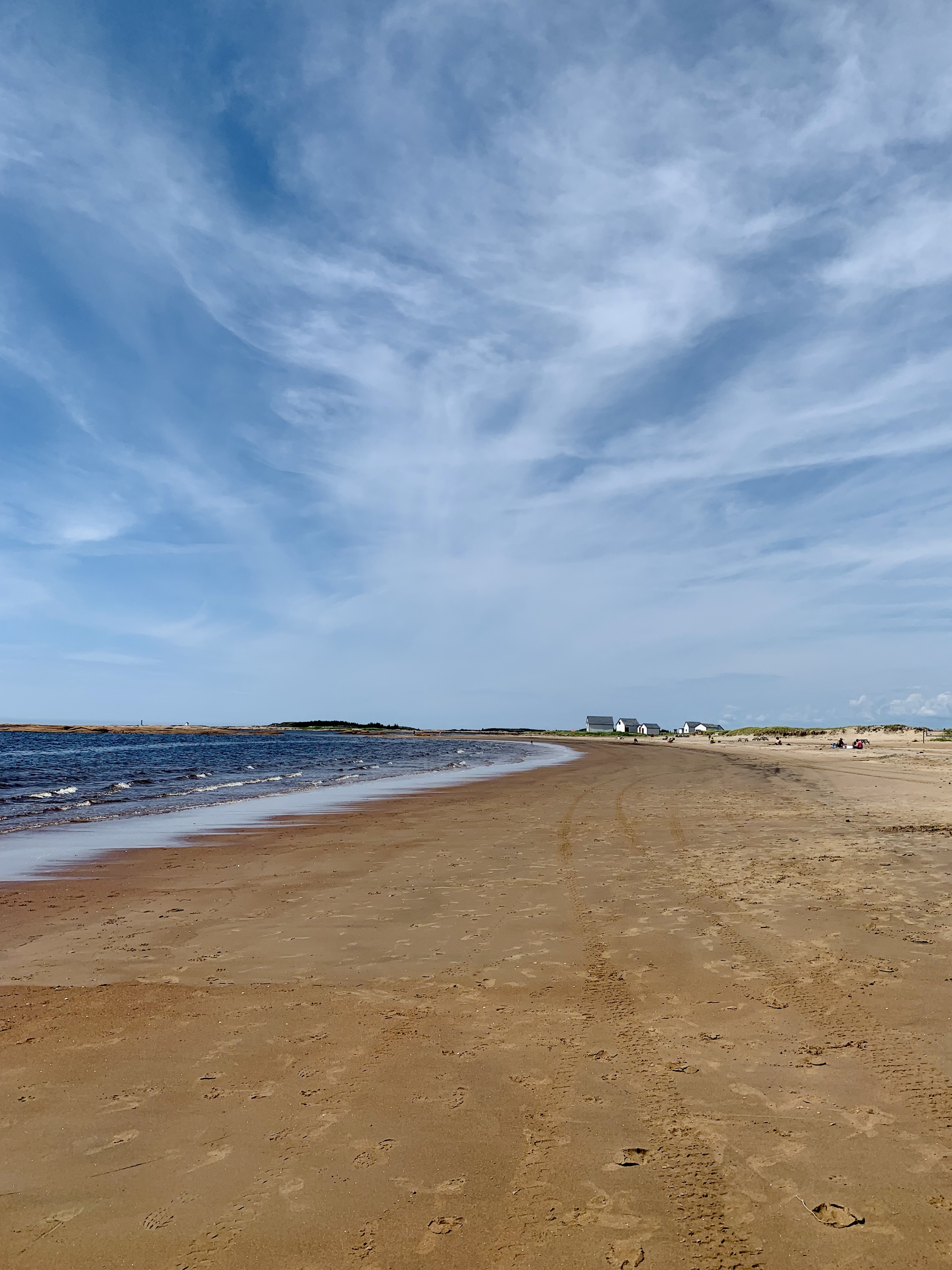
- Café-Bistro l’Échouerie : Delicious seafood chowder !
- Brewery La Mouche: You can try the beers at the Café-Bistro l’Échouerie.
- De baies et de sève : Beautiful little boutique with local products.
Also, take the time to talk with the locals and learn more about what it is like to live in a small village on the north coast*. You will see that the people in Natashquan are very proud of their town and have a lot of stories to tell!
Looking for a place to stay? Once again, I love staying in B&B because it is a great opportunity to meet other travelers and the locals. The B&B Le Port d’Attache is a beautiful little bed and breakfast of eight rooms, and the dining room offers a beautiful view of the bay. Magella is a wonderful host who will happily talk to you about the village and life there.
*Did you know that before 1996, Natashquan was accessible only by boat or plane? The road connected the village in 1996, and we had to wait until 2013 for the road to connect to the next and final destination of this road trip: Kegaska
Kegaska
Kegaska is the last village accessible by road and the final destination of this road trip. The other villages are accessible only by plane or by boat. Have you noticed all the stickers of previous travelers on the 138 sign? Have you also heard the locals speaking? Yes, it is English. Although it is only 45 minutes from Natasquan, Kegaska is an anglophone community. However, many signboards are still in French to respect the Law 101 of Québec.
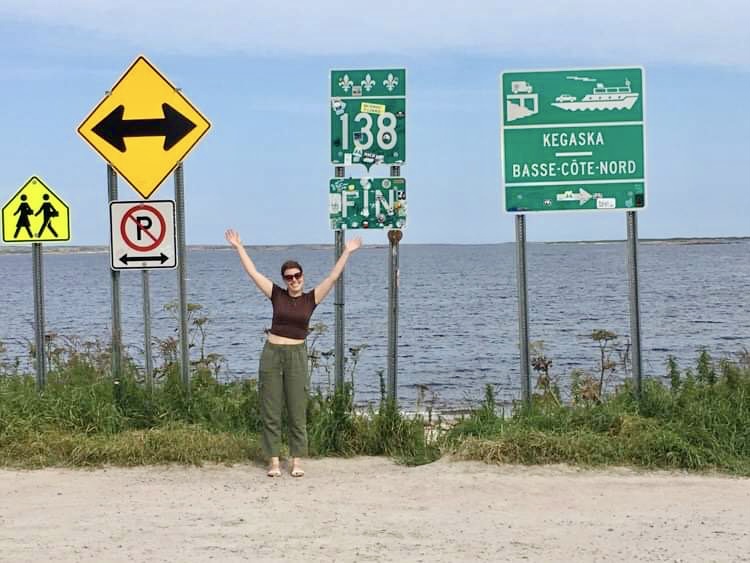
Kegaska is a fishing village. Crab, clam, lobster, scallop, and cod are the industries that keep the village up and running. I wasn’t aware of how hard it is to work in the fishing industry before visiting Kegaska. To wake up every day to the first hours of the day to face the sea without knowing if you will come back with full or empty nets.
Nonetheless, after watching the fisherman pulling their net out of the waters, there are a few things other things you can do to grasp a bit more of the essence of this small village:
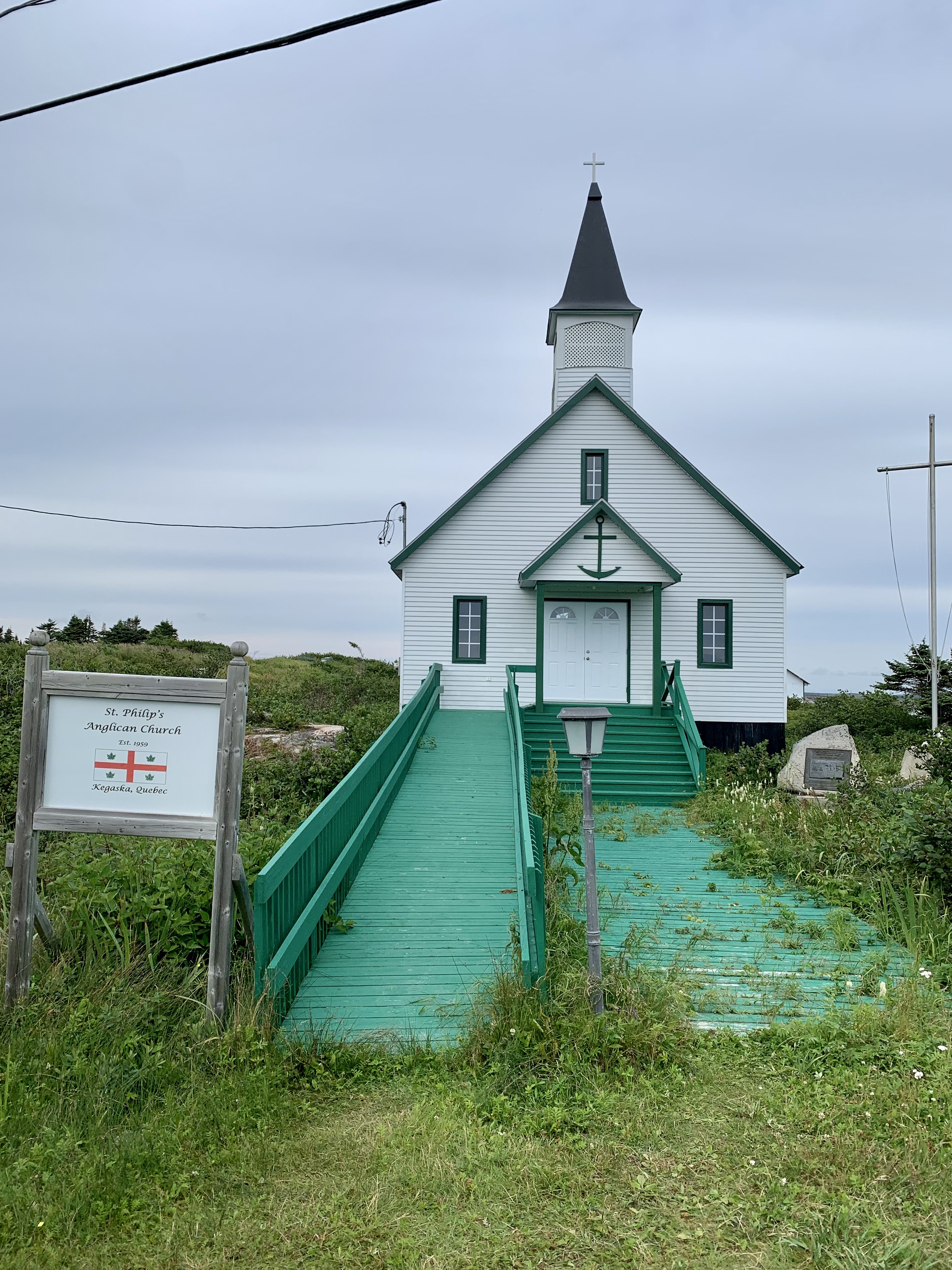
- Visit the Anglican church St-Phillip
- Look at Le Brion‘s shipwreck, which sank in 1976. There is a trail of 2 km to access the wreckage.
- Beach of Kegaska
This visit for this travel guide to the North Coast of Québec! I hope you enjoyed it and made you discover a hidden gem of the beautiful province of Québec. As a final note, I’d like to say that what made this trip so memorable was all the people we met and talked to, which allowed us to have a glimpse of what it is like to live on the North Coast and in those remote villages. Because, after all, what makes those places so beautiful are the people that live there.
Until next time!
À bientôt!
Juliette
References:
canada-pays-des-opportunites.com/matane-bord-du-fleuve
Tourismecote-nord.com
https://www.hydroquebec.com/facility-tours/tours-general-public/romaine-1-cote-nord.html
https://ici.radio-canada.ca/empreintes/439/basse-cote-nord-lien-routier-kegaska-138
 Simplement Juliette
Very nice blog post! It is very interesting how culture can change even though it is all in the province of Quebec!
LikeLiked by 1 person
Yes ! There are so many places to discover in the province of Quebec !
LikeLike